Multiplayer Games with Team Focused Challenges
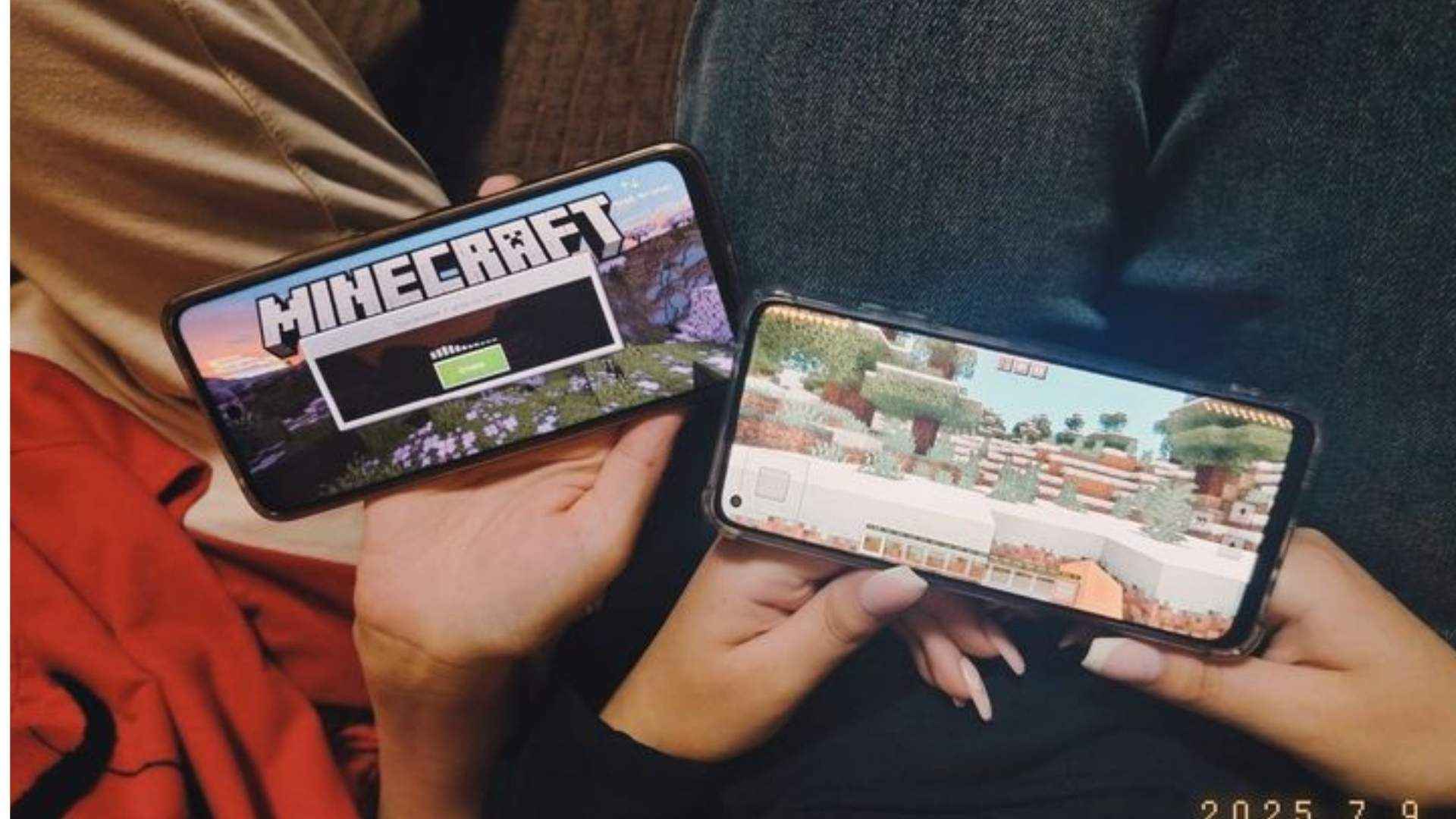
The landscape of modern cooperative gaming has shifted significantly toward deeply integrated group milestones. Instead of relying solely on individual accomplishments, players must now synchronize their skills to overcome complex obstacles together. This evolutionary shift has created a vibrant community where joint strategy and trust dictate victory.
The Evolution of Shared Objectives
In the early days of online gaming, multiplayer modes often revolved around simple player-versus-player matchups or isolated high scores. Today, developers build expansive environments that actively require groups to pool their unique abilities to unlock progression pathways. These intricate design choices foster deeper communication habits and ensure that every squad member plays a vital role in achieving success.
As virtual trials become more complex, participants are forced to move away from individual gameplay and embrace unified solutions. Successful navigation of these complex spaces depends entirely on a group's capacity to adjust to changing environment conditions in real time. This ongoing mechanical development continually redefines how modern online communities interact and cooperate during high-stakes sessions.
Cultivating Strategic Communication and Synergy
Engaging in highly coordinated group obstacles requires more than fast reflexes or high-tier personal equipment. Teams must establish clear dialogue and map out long-term tactical actions to outsmart sophisticated automated systems or opposing squads. To streamline your network options and connect with active global gaming circles, players can utilize the m88 asia login portal for seamless digital integration. Establishing stable operational foundations ensures that group interactions remain fluid and highly productive during intense encounters.
Furthermore, these collaborative environments serve as exceptional spaces for developing critical interpersonal and problem-solving skills. Participants learn to analyze distinct player roles, manage limited group resources, and provide timely mutual support under pressure. The long-term benefits of mastering these collective dynamics extend far beyond the virtual screen into daily social practices.
Overcoming Obstacles with Specialized Roles
Many contemporary multiplayer titles achieve mechanical depth by offering distinct character classes with complementary skill sets. A balanced team composition requires a careful mix of defensive, offensive, and supportive capabilities to survive intense encounters. When individual participants fulfill their designated roles perfectly, the entire group operates as a highly efficient and unstoppable unit.
This strict division of responsibilities prevents single players from dominating the match, reinforcing the necessity of true cooperation. Teams must constantly evaluate their composition and adjust their tactics depending on the specific nature of the challenge ahead. Navigating these diverse requirements ensures that every victory feels deeply rewarding and structurally unique.
Sustaining Engagement Through Dynamic Content
To maintain long-term community retention, modern live-service titles frequently introduce periodic calendar tasks and limited-time thematic events. These recurring milestones present unique conditions that test the adaptability of even the most experienced cooperative veterans. By offering exclusive group rewards and tier upgrades, developers successfully incentivize continuous group participation over months or years.
Ultimately, these dynamic updates ensure that the shared virtual environment never becomes static or predictable for active participants. Facing fresh group difficulties together keeps the gaming loop exciting and strengthens the relationships built within digital guilds. It remains a compelling space where collective dedication transforms ordinary pastimes into meaningful shared triumphs.